Source eco friendly knitted polo shirt for corporate, casual, and outdoor use
Compare 30 verified listings for eco friendly knitted polo shirt featuring cotton and cashmere materials. Buyers can review customization options, MOQs, and packing details from suppliers in China and India to find the best fit for their needs; compare the available evidence and request quotations based on your requirements.
Key considerations
Products List


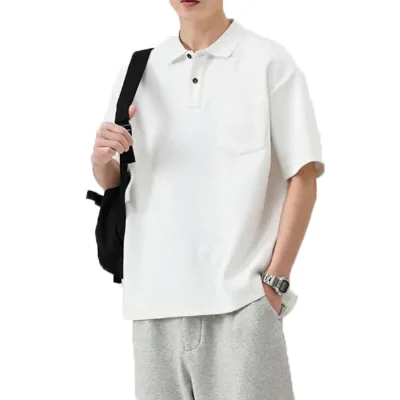
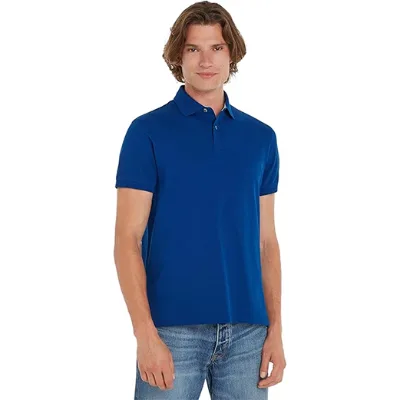


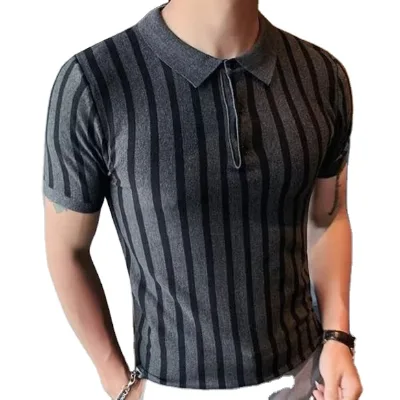


Comprehensive Sourcing Guide
Eco Friendly Knitted Polo Shirt Sourcing Guide
Sourcing eco-friendly knitted polo shirts requires a nuanced understanding of material composition, manufacturing processes, and supply chain transparency. Buyers must distinguish between genuine sustainable practices and superficial marketing claims by examining specific product attributes and supplier capabilities. The market offers a variety of options, from organic cotton blends to recycled polyester, each with distinct environmental impacts and performance characteristics. Understanding these differences is crucial for aligning procurement strategies with corporate sustainability goals and consumer expectations.
This guide provides a structured approach to evaluating potential suppliers and products. It focuses on verifying technical specifications, ensuring compliance with safety standards, and managing commercial terms effectively. By following these steps, buyers can mitigate risks associated with greenwashing and ensure that their procurement decisions support both quality and environmental responsibility. The following sections detail the key considerations for sourcing high-quality, sustainable knitted polo shirts.
Product Scope and Observed Listing Signals
The current market landscape for knitted polo shirts reveals a diverse range of product offerings, with observed price points ranging from $1.96 to $35 USD. This wide variance suggests significant differences in material quality, brand positioning, and manufacturing complexity. Buyers should note that lower price points may indicate the use of synthetic materials or less rigorous production standards, while higher prices often correlate with premium fabrics like cashmere or certified organic cotton. Understanding this price spectrum helps in setting realistic budget expectations and identifying potential value propositions.
Observed minimum order quantities (MOQs) vary between 2 and 500 pieces, reflecting the flexibility of different suppliers. Some manufacturers offer low MOQs to accommodate small businesses or trial orders, while others require larger volumes to achieve economies of scale. Additionally, customization options are widely available, including custom designs, colors, and patterns such as solid, plaid, and striped. These signals indicate a mature supply chain capable of supporting both standard and bespoke procurement needs, allowing buyers to tailor orders to specific market demands.
Technical Specifications to Verify
Verifying technical specifications is essential to ensure product quality and consistency. Key attributes to confirm include material composition, such as 100% cotton or cashmere blends, and knitting techniques that affect durability and comfort. Buyers should also check sleeve styles, collar types, and fit cuts, as these impact the final garment's appearance and wearability. For instance, regular fit and classic collars are common in traditional polo designs, while short or long sleeve options cater to seasonal variations. Detailed specification sheets from suppliers should be reviewed to align with internal quality standards.
Packing and shipping details are equally important for logistical planning. Products are typically packed in cartons, bags, or cardboard boxes, with dimensions varying based on the item and packaging method. Standard sizes range from 2XS to 6XL, accommodating a broad demographic. Buyers must verify these dimensions to optimize storage and shipping costs. Additionally, care instructions, such as machine washability at 30°C and warm ironing guidelines, should be clearly communicated to end-users to maintain product integrity and reduce post-purchase complaints.
Compliance and Safety Documentation
Compliance with safety and environmental standards is a critical aspect of sourcing sustainable apparel. Buyers should request documentation for certifications such as Oeko-Tex or GOTS, which verify that materials are free from harmful substances and produced using environmentally friendly methods. While these certifications are not universally present in all listings, their presence indicates a higher level of commitment to sustainability. Suppliers should be able to provide test reports and certificates of conformity to substantiate their claims, ensuring that products meet international safety regulations.
In addition to material certifications, buyers must ensure that suppliers adhere to labor standards and ethical manufacturing practices. This includes verifying working conditions, fair wages, and safe factory environments. Documentation such as social compliance audits or factory certifications can provide insights into the supplier's ethical standing. By prioritizing suppliers with robust compliance frameworks, buyers can mitigate reputational risks and contribute to a more responsible supply chain. Clear communication of these requirements in procurement contracts is essential to enforce accountability.
Cost Drivers and Commercial Terms
Several factors influence the cost of eco-friendly knitted polo shirts, including material sourcing, labor costs, and certification expenses. Premium materials like organic cotton or cashmere typically command higher prices due to their scarcity and production complexity. Additionally, the cost of maintaining certifications and adhering to sustainable practices can increase overall expenses. Buyers should analyze these cost drivers to understand the price structure and identify areas where cost savings might be possible without compromising quality or sustainability.
Commercial terms, such as payment methods, delivery schedules, and return policies, also play a significant role in the procurement process. Suppliers may offer flexible payment terms for large orders or long-term partnerships. It is crucial to negotiate clear delivery timelines to avoid stockouts or excess inventory. Buyers should also establish clear guidelines for handling defective products or returns, ensuring that any issues are resolved efficiently. Understanding these commercial dynamics helps in building a resilient and cost-effective supply chain.
Supplier Qualification and Quality Control
Qualifying suppliers involves a thorough assessment of their capabilities, reputation, and quality control processes. Buyers should conduct on-site audits or request virtual tours to evaluate factory conditions and production capabilities. Checking for past performance records, client references, and industry awards can provide additional insights into the supplier's reliability. Suppliers with a proven track record of delivering high-quality, sustainable products are preferable, as they are more likely to meet procurement requirements consistently.
Quality control measures should be integrated into the procurement process to ensure product consistency. This includes implementing pre-production samples, in-line inspections, and final random inspections. Buyers should define clear quality criteria and communicate them to suppliers to align expectations. Establishing a feedback loop for continuous improvement helps in addressing any issues promptly. By prioritizing suppliers with robust quality control systems, buyers can minimize defects and enhance customer satisfaction, ultimately protecting brand reputation.
Long-Term Procurement Checks
Long-term procurement success depends on continuous monitoring and evaluation of supplier performance. Buyers should establish key performance indicators (KPIs) to track metrics such as delivery accuracy, product quality, and responsiveness to issues. Regular performance reviews help in identifying areas for improvement and fostering a collaborative relationship with suppliers. By maintaining open communication and providing constructive feedback, buyers can drive continuous improvement and ensure that suppliers remain aligned with sustainability goals.
Additionally, buyers should stay informed about emerging trends and technologies in sustainable apparel production. This includes monitoring advancements in material innovation, manufacturing processes, and regulatory changes. Adapting procurement strategies to incorporate these developments can enhance competitiveness and sustainability. Building a diverse supplier base also mitigates risks associated with single-source dependencies. By adopting a proactive and adaptive approach, buyers can secure a resilient supply chain that supports long-term business objectives and environmental stewardship.
FAQs
Can I get a custom design for the polo shirt?
Yes, custom design is available for this product. The listing confirms that buyers can request specific designs, and the product supports customer customization for colors and patterns to meet unique brand requirements.
What is the minimum order quantity for this item?
The minimum order quantity varies by supplier, with observed values ranging from 2 to 500 pieces. Specific listings show MOQs of 30 pieces or 100 pieces depending on the manufacturer and the specific product model selected.
Which materials are used for the knitted polo shirts?
The available materials include cashmere and cotton. Some products are made from 100% cotton, while others feature cashmere blends, offering different texture and warmth options for spring, autumn, or summer seasons.
How is the product packed for shipping?
Packaging options include cartons, bags, and cardboard boxes. The specific packing method depends on the supplier and product model, with some items shipped in cartons while others utilize individual bags or sturdy cardboard boxes.
What are the available sizes for the polo shirts?
Sizes range from 2XS to 6XL or M to 4XL depending on the specific model. Buyers can select from various standard sizing options to ensure a proper fit for men or unisex customers.
Can I order a sample before placing a bulk order?
Yes, samples are available for purchase. Specific listings indicate that one piece sample is available, allowing buyers to verify quality and design before committing to a larger production run.
Where are these polo shirts manufactured?
Products originate from China, with specific locations including Yiwu. Some items may also be sourced from India, indicating multiple manufacturing hubs are available for this type of knitted apparel.